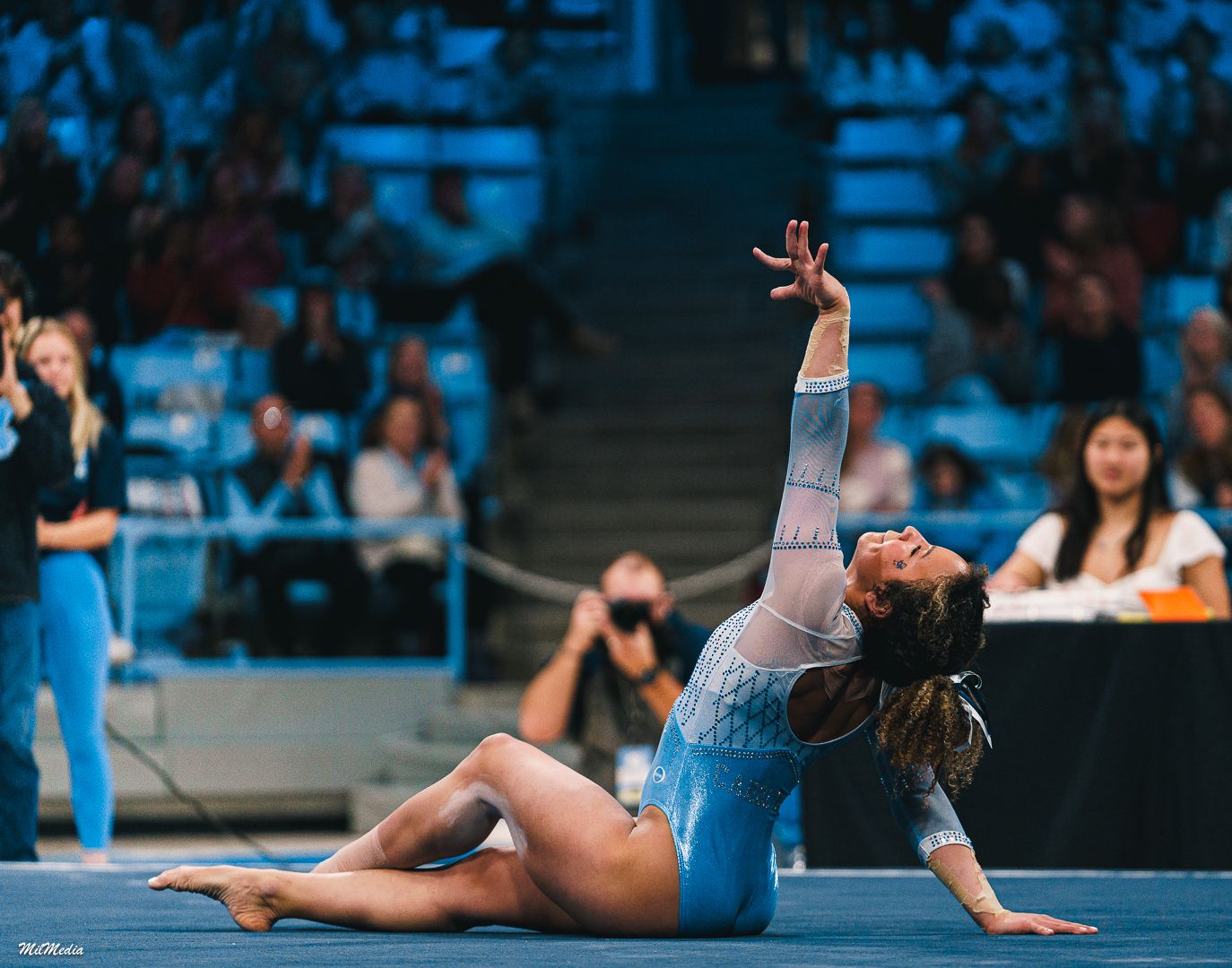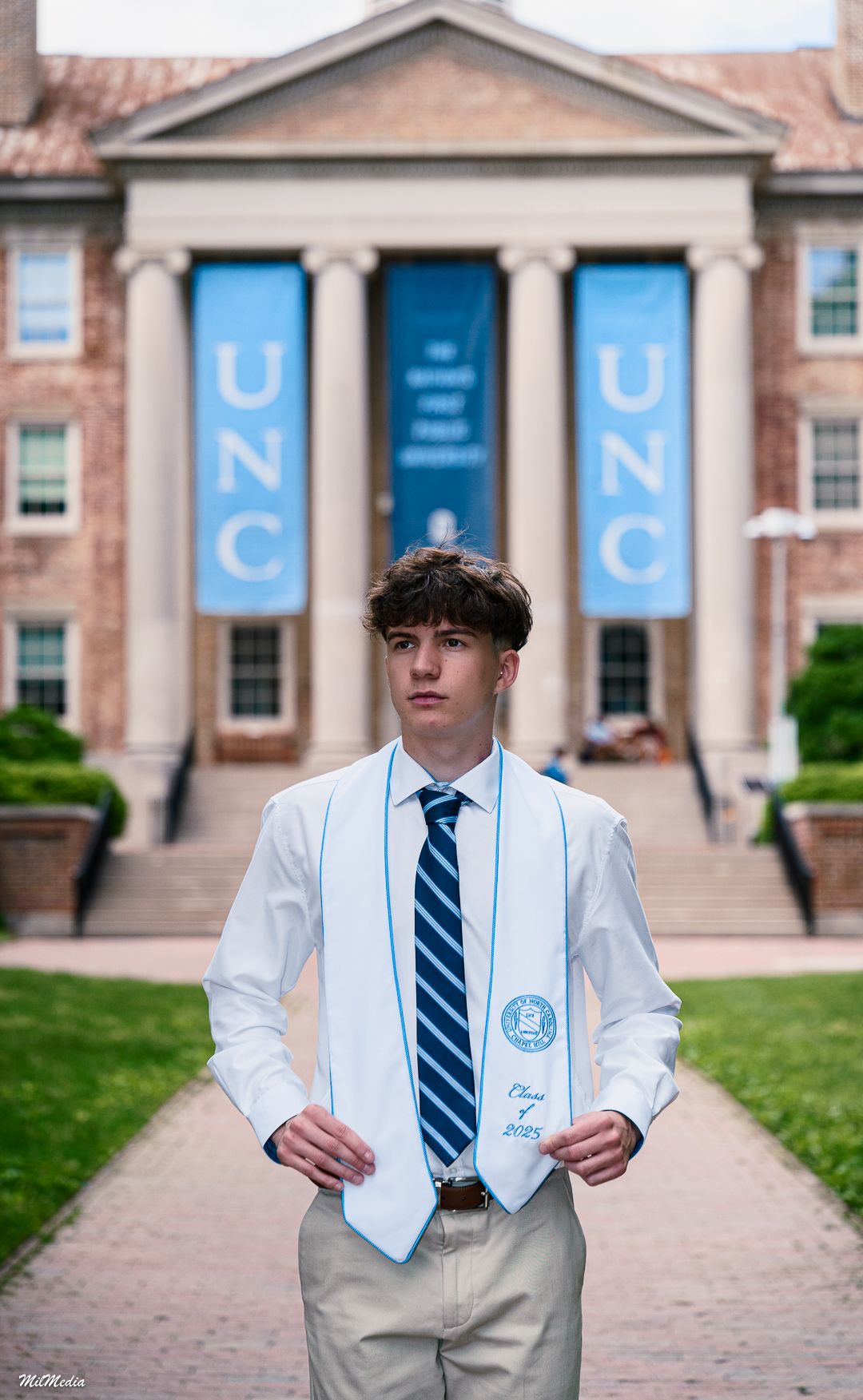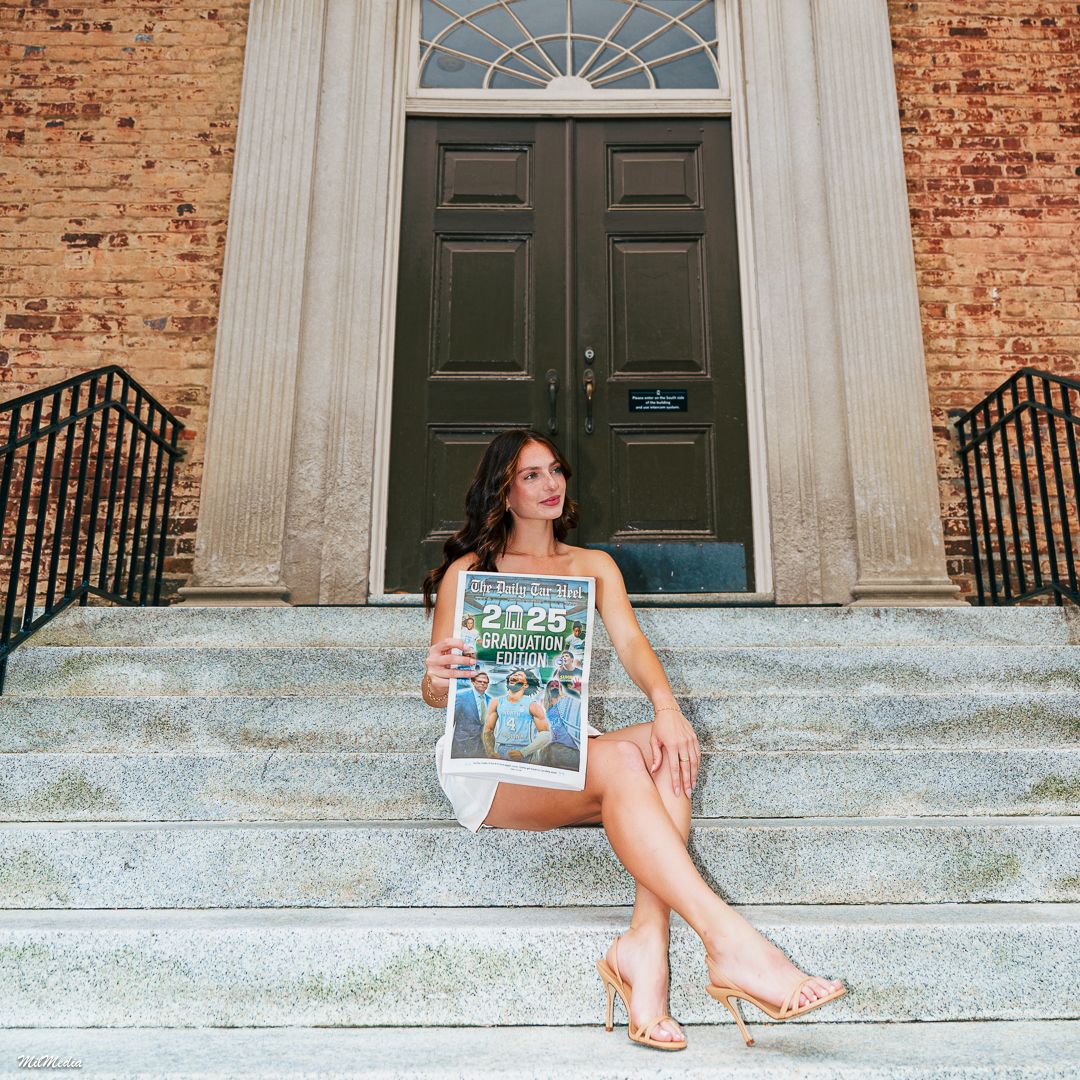
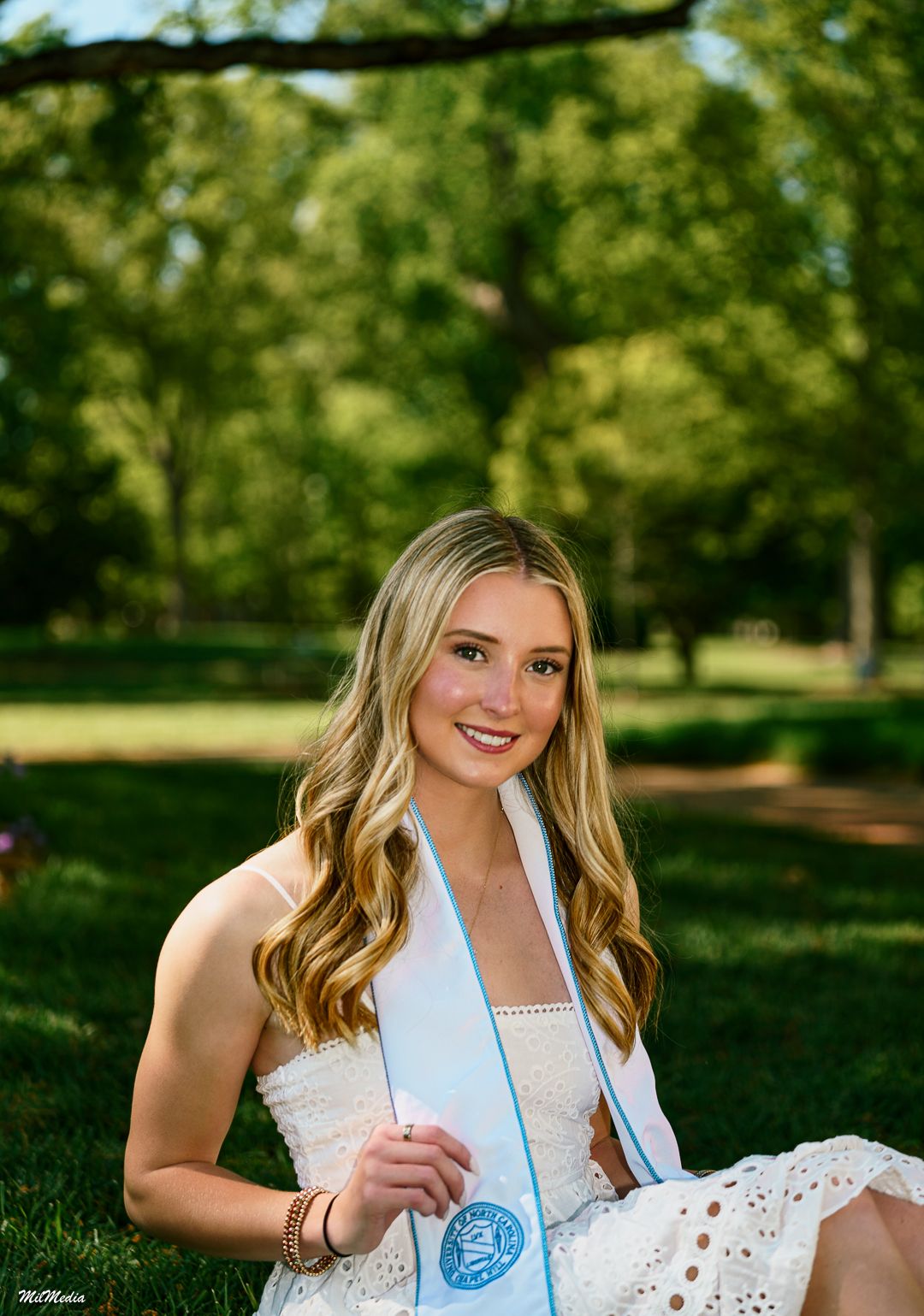
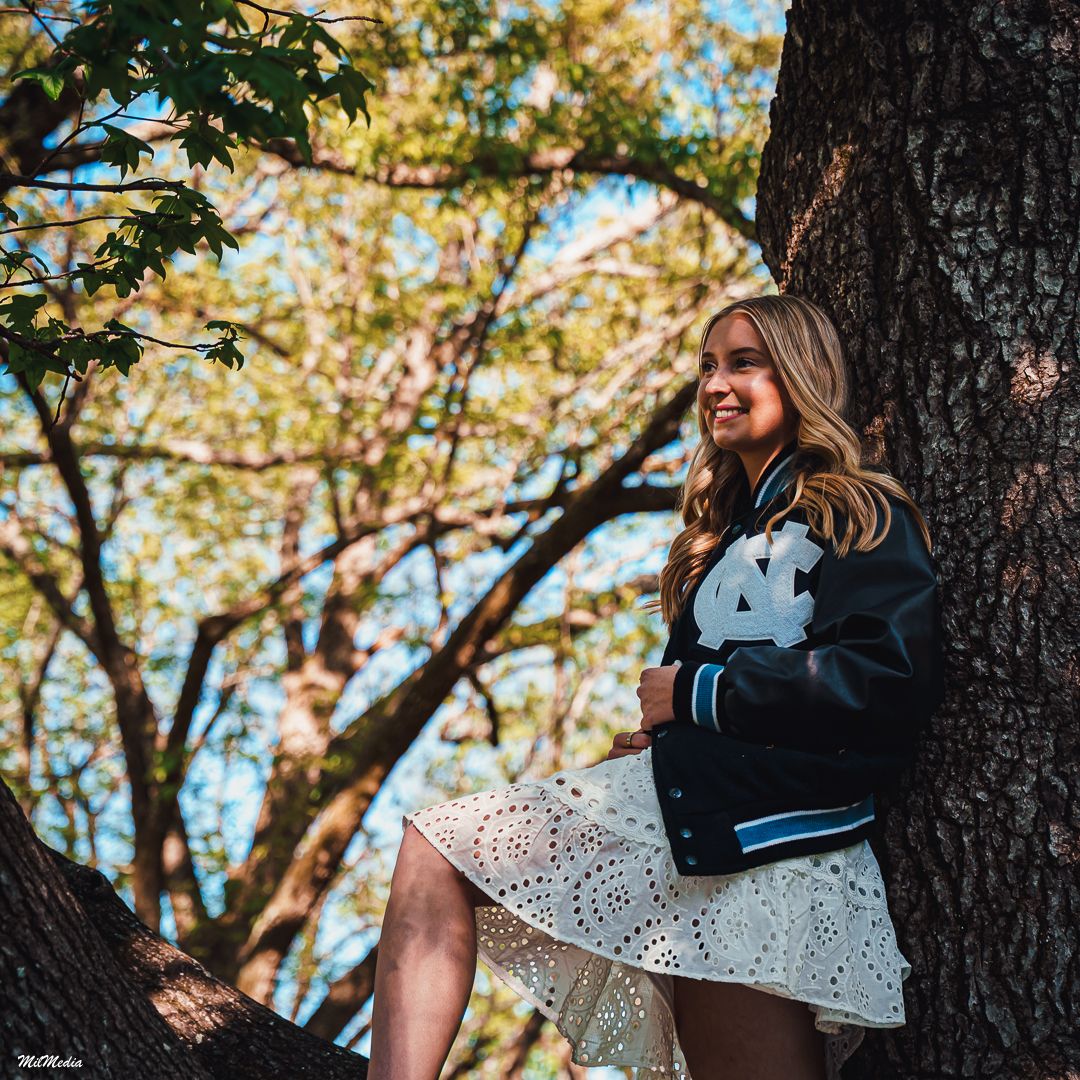
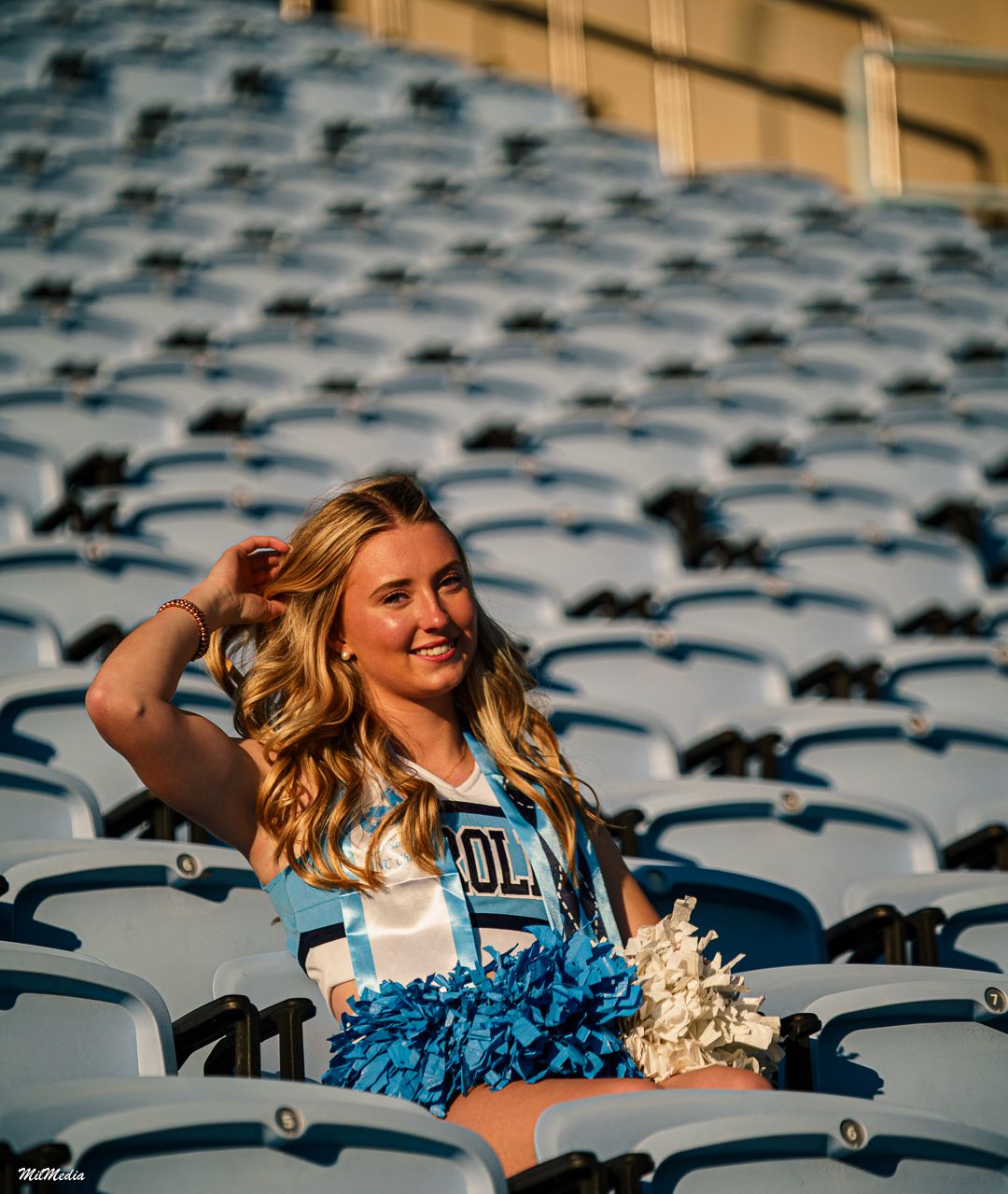
Every great senior photo starts with light.
Not outfits.
Not locations.
Not even the camera.
Light is what turns a picture into a feeling.
If you’ve ever scrolled through senior portraits and noticed some images feel cinematic and powerful while others feel flat, the difference usually comes down to when the photo was taken.
So what time of day is best for dramatic, eye-catching senior photos?
The answer isn’t one-size-fits-all—but once you understand how light behaves, you can choose the timing that matches your story.
Why Time of Day Matters More Than You Think
Light has personality.
It can be:
Soft or harsh
Warm or cool
Flat or sculpted
Calm or intense
Senior photos aren’t just about documenting graduation—they’re about capturing momentum, confidence, and transition. Time of day determines whether your photos whisper… or speak.
That’s why searches like best time for senior photos, graduation photo lighting, and senior portraits near me matter more than people realize.
Let’s break down the main lighting windows—and what each one communicates.
Golden Hour: Soft, Cinematic, and Timeless
When: The last 60–90 minutes before sunset
Golden hour is popular for a reason.
The light is:
Warm
Directional
Soft on skin
Naturally cinematic
This time of day creates portraits that feel emotional and nostalgic—perfect for seniors who want images that feel reflective and meaningful.
Golden hour works especially well for:
Outdoor senior portraits
Campus locations
Fields, rooftops, open spaces
The mood it creates says:
“This chapter mattered.”
If you want dramatic without intensity, golden hour is the safest and most timeless choice.
Midday Light: Bold, Clean, and High-Impact (When Done Right)
When: Late morning to early afternoon
Midday light gets a bad reputation—but that’s only when it’s unmanaged.
When handled intentionally (often with shade, architecture, or off-camera flash), midday light can create:
High contrast
Sharp definition
Editorial, modern energy
This works best for:
Bold personalities
Urban locations
Athletes
Seniors who want powerful, confident images
Midday photos feel assertive. They don’t romanticize the moment—they claim it.
This is where dramatic senior photos become striking and contemporary instead of soft and sentimental.
Blue Hour: Moody, Cinematic, and Artistic
When: 20–40 minutes after sunset
Blue hour is the space between day and night. The sky turns deep blue, city lights begin to glow, and everything feels cinematic.
This time of day creates photos that feel:
Artistic
Thoughtful
Unique
Slightly mysterious
Blue hour works well for:
Downtown senior portraits
Studio-style lighting outdoors
Seniors who want something different
These images feel like a movie still—quiet, powerful, and intentional.
Not everyone chooses blue hour, which is exactly why it stands out.
Sunrise: Clean, Calm, and Underrated
When: The first hour after sunrise
Sunrise light is soft, directional, and incredibly clean.
It’s perfect for:
Seniors who want peaceful, focused energy
Locations that get crowded later in the day
Early-morning campus shots
Sunrise portraits feel fresh.
They say:
“I’m just getting started.”
It’s not dramatic in a loud way—but it’s powerful in its stillness.
So… What’s the Best Time?
The best time of day for senior photos depends on the story you want your photos to tell.
Ask yourself:
Do I want cinematic and emotional? → Golden hour
Do I want bold and high-impact? → Midday (with intention)
Do I want moody and artistic? → Blue hour
Do I want calm and clean? → Sunrise
There’s no universally correct answer—only alignment.
The Photographer Matters More Than the Clock
Here’s the part most people miss:
Time of day only works if your photographer knows how to use light.
A skilled senior photographer understands:
How to shape natural light
When to use shade or flash
How to adapt to weather and location
How to match lighting to personality
That’s why browsing graduation photographers isn’t just about style—it’s about technical confidence.
The right photographer turns light into storytelling.
The Takeaway
Dramatic senior photos don’t happen by accident.
They’re planned—through timing, intention, and expertise.
When you choose the right time of day, your photos stop being “nice” and start being memorable.
They don’t just show that you graduated.
They show who you were when everything was about to change.
Frequently Asked Questions
What is the best time of day for senior photos?
Golden hour is the most popular, but midday, blue hour, and sunrise can all be powerful depending on the look you want.
Are midday senior photos bad?
Not if done correctly. With proper direction and lighting control, midday photos can look bold and editorial.
How long does golden hour last?
Typically 60–90 minutes, depending on the season and location.
Can I do senior photos at multiple times of day?
Yes. Some sessions combine golden hour and blue hour for variety.
What if it’s cloudy?
Cloud cover creates soft, even light and can be great for senior portraits—especially for bold, clean looks.
Does time of day affect skin tones?
Yes. Warm light flatters skin, while cooler light creates mood. A skilled photographer balances both.
What time should I avoid?
Midday without shade or light control can be harsh—but this depends on location and expertise.
How far in advance should I plan timing?
Discuss timing during booking so locations, outfits, and light align.
Do dramatic photos require flash?
Not always—but off-camera flash can enhance drama at any time of day.
How do I choose the right option?
Decide how you want your photos to feel, then choose the time that supports that emotion.