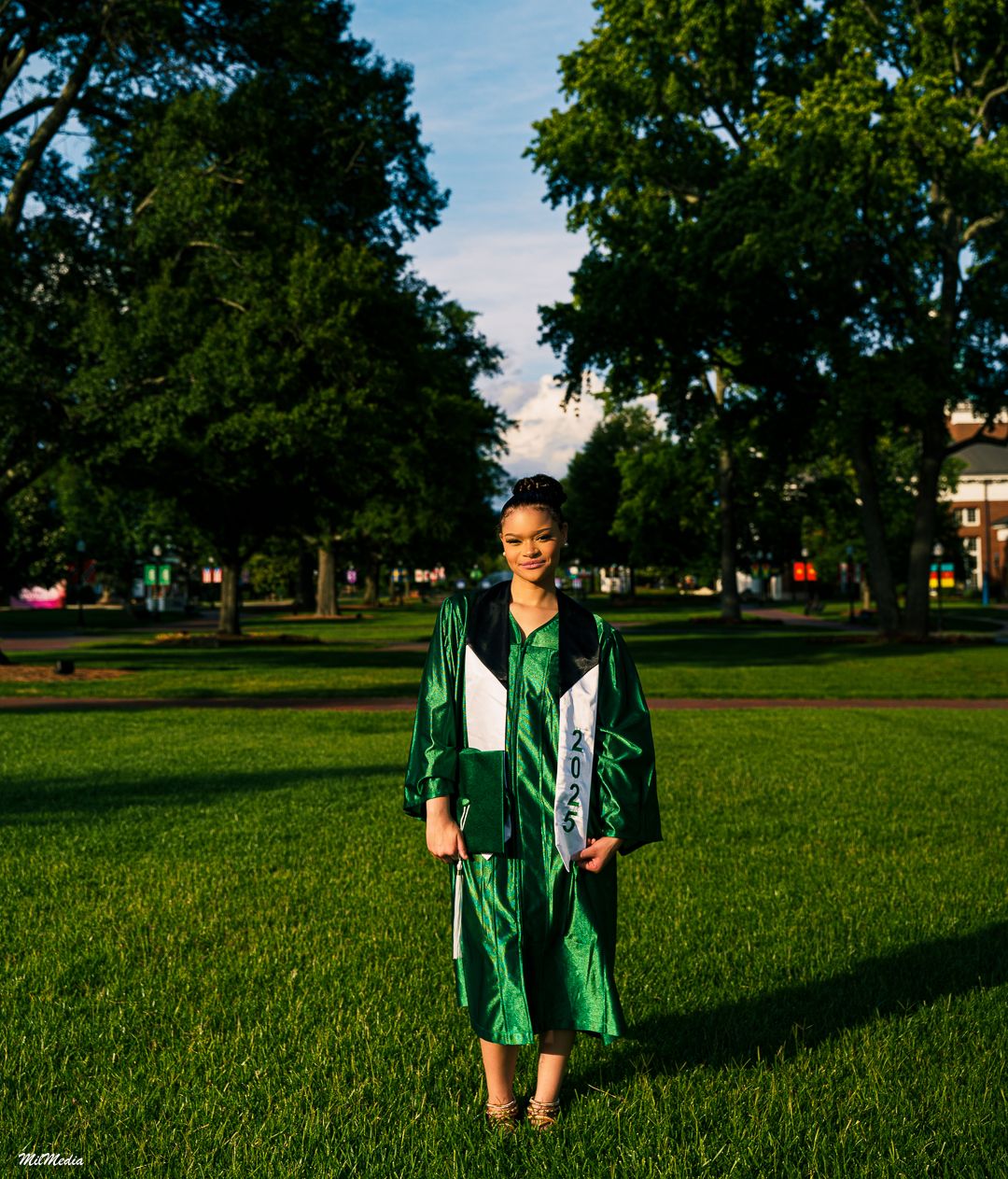
Almost everyone walks into a senior photoshoot with the same thought:
“I’m not photogenic.”
Not because it’s true—but because being photographed asks you to do something unfamiliar: stand still, be seen, and trust the process.
Senior portraits happen at a moment of transition. You’re closing one chapter and stepping into another. That alone can make things feel vulnerable.
So if you’re wondering how to prepare for a senior photoshoot so it doesn’t feel awkward, here’s the truth:
Awkwardness isn’t a personality flaw.
It’s just uncertainty.
And uncertainty disappears with preparation.
Let’s walk through how to show up calm, confident, and ready—without needing to “act” like anyone else.
1. Reframe What the Photoshoot Is Actually For
Most people think senior photos are about looking good.
They’re not.
They’re about capturing who you are at the edge of change.
When you shift your mindset from “I need to perform” to “I’m documenting a moment,” the pressure drops.
You’re not trying to impress anyone.
You’re preserving a version of yourself you’ll never be again.
That mental shift alone removes half the awkwardness.
2. Choose Outfits You Can Move In
Clothes don’t just change how you look—they change how you feel.
For senior portraits, avoid anything that:
Restricts movement
Needs constant adjusting
Makes you self-conscious
Instead, choose outfits that feel like elevated versions of your everyday confidence.
A strong rule of thumb:
One polished look (cap and gown, blazer, dress)
One relaxed or expressive look
Neutral tones with texture or layers
When your clothes feel natural, your body follows.
This is why searches like what to wear for senior photos matter—comfort translates directly to confidence on camera.
3. Don’t Practice Posing—Practice Being Present
You don’t need to memorize poses.
In fact, that often makes things worse.
Good senior portraits aren’t built from rigid poses—they’re built from:
Small movements
Shifts in weight
Natural expressions
Instead of practicing how to stand, focus on how to breathe.
Before the shoot:
Take a few slow breaths
Roll your shoulders
Shake out tension
Your photographer will guide the rest. Your job is simply to stay present.
4. Trust the Warm-Up Phase
The first 10–15 minutes of any photoshoot are always the hardest.
That’s normal.
This is when:
You’re adjusting to direction
Your body is loosening up
Your face relaxes
The best photos rarely happen in the first few frames.
They happen after:
You stop thinking about your hands
You forget the camera is there
You start moving naturally
Knowing this ahead of time helps you relax faster. You’re not “doing it wrong”—you’re warming up.
5. Choose a Photographer Who Guides You
Awkwardness thrives in silence.
A professional senior photographer doesn’t just take pictures—they direct:
Where to stand
How to shift weight
What to do with your hands
When to move
When to pause
If you’ve searched senior portraits near me or college graduation photographer, look beyond the images and ask:
Do they make people look comfortable?
That confidence you see in photos isn’t accidental—it’s coached.
6. Bring Something That Grounds You
You don’t need props—but you can bring anchors.
That might be:
A jacket you love
Headphones between shots
A meaningful item (sports gear, book, camera)
These aren’t distractions. They’re grounding tools.
When you feel like yourself, your expressions become real.
7. Let Go of “Perfect”
Perfect posture.
Perfect smile.
Perfect angle.
That pursuit creates tension.
The most compelling senior portraits aren’t perfect—they’re honest.
They show:
Small smiles
Thoughtful expressions
Confidence in stillness
When you allow yourself to be human, the photos stop feeling staged.
That’s where presence lives.
8. Remember: This Isn’t a Test
You’re not being evaluated.
You’re not being judged.
You’re being documented.
Senior photos aren’t about proving anything. They’re about remembering who you were when everything was open.
When you remember that, the camera stops feeling like pressure—and starts feeling like a witness.
The Real Secret
The goal isn’t to avoid awkwardness.
The goal is to move through it.
Because once you do, what’s left is confidence, clarity, and photos that actually feel like you.
Frequently Asked Questions
Is it normal to feel awkward during senior photos?
Yes. Almost everyone does at first. Awkwardness fades quickly once you start moving and receiving direction.
Do I need to know how to pose?
No. A good photographer will guide you through movement and posture.
How long does it take to feel comfortable?
Usually 10–15 minutes. The best photos happen after the warm-up.
What should I bring to my senior photoshoot?
Outfits, comfortable shoes, water, and optional personal items that help you relax.
What if I don’t like being photographed?
That’s common. Tell your photographer—they’ll adjust pacing and direction to help you feel at ease.
Can music help?
Yes. Some photographers play music during sessions, or you can bring headphones for breaks.
Will I look stiff?
Only at first—and that’s temporary. Movement and guidance resolve it quickly.
What makes a senior photographer good at this?
Strong communication, clear direction, and the ability to create a calm, supportive environment.