How Can I Make My Senior Photos Feel Like “Me” and Not Generic?
You’re about to close a chapter that took years to write.
Classes. Late nights. Wins. Losses. Growth.
Senior photos are supposed to capture *that*—not just what you look like, but who you’ve become.
And yet, so many graduation portraits feel interchangeable.
Same smile.
Same pose.
Same background.
They’re nice. They’re polished. But they could belong to anyone.
If you’re ambitious, creative, and stepping into what’s next, you don’t want “nice.”
You want photos that feel like *you*.
The good news? Generic isn’t a style—it’s a lack of intention. And intention is something you can control.
Here’s how to make your senior photos personal, expressive, and unforgettable.
1. Start With Story, Not Aesthetic
Generic photos answer:
“What do you look like?”
Personal photos answer:
“Who are you becoming?”
Before you ever step in front of the camera, ask yourself:
What did this chapter change about me?
What am I proud of?
What direction am I heading?
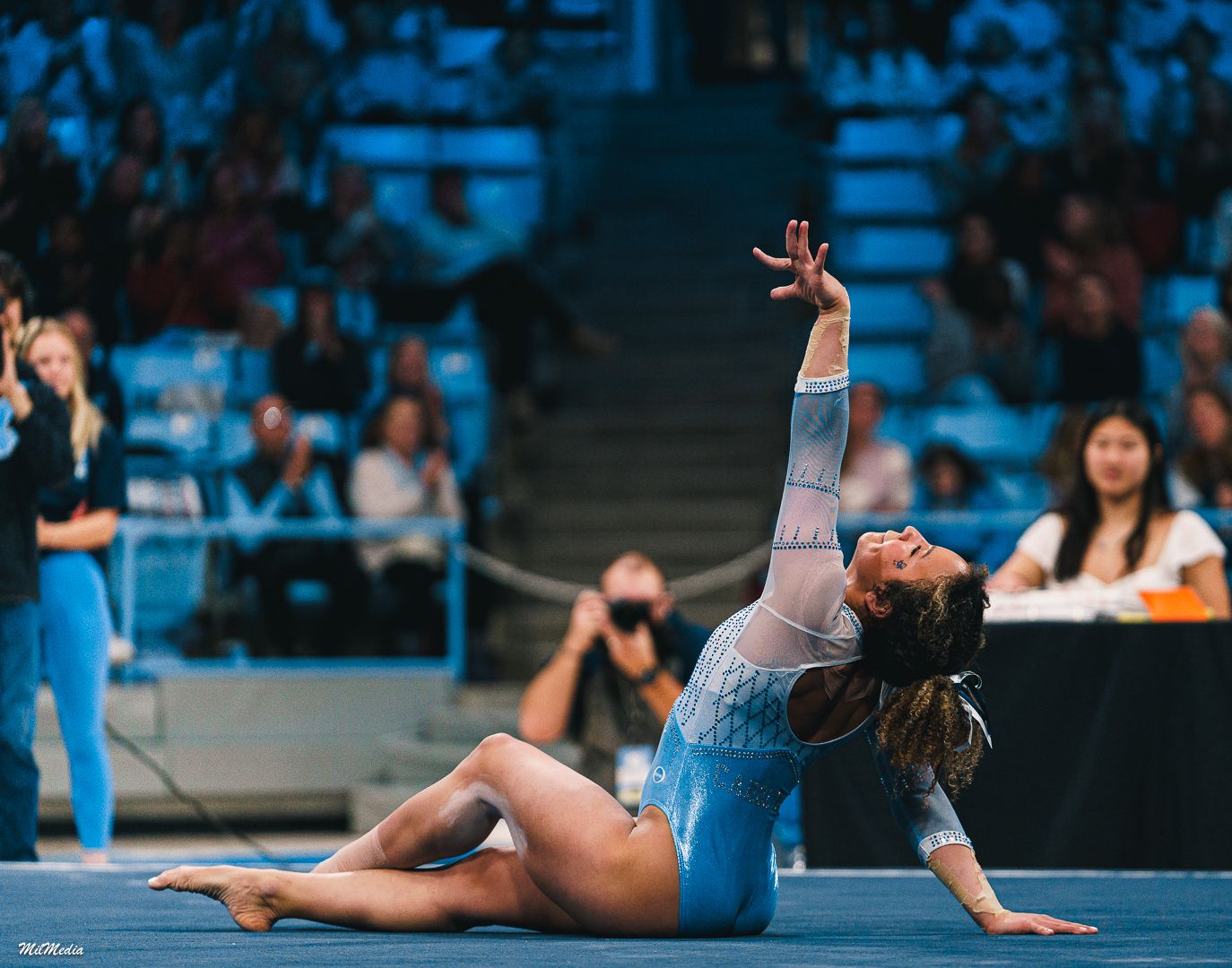
Whether you’re an athlete, artist, entrepreneur, or future professional, your senior portraits should reflect *momentum*—not just appearance.
When your photographer understands your story, the session stops being a checklist and starts becoming a narrative.
2. Choose Locations That Mean Something
A random park is fine.
A meaningful place is powerful.
Think about:
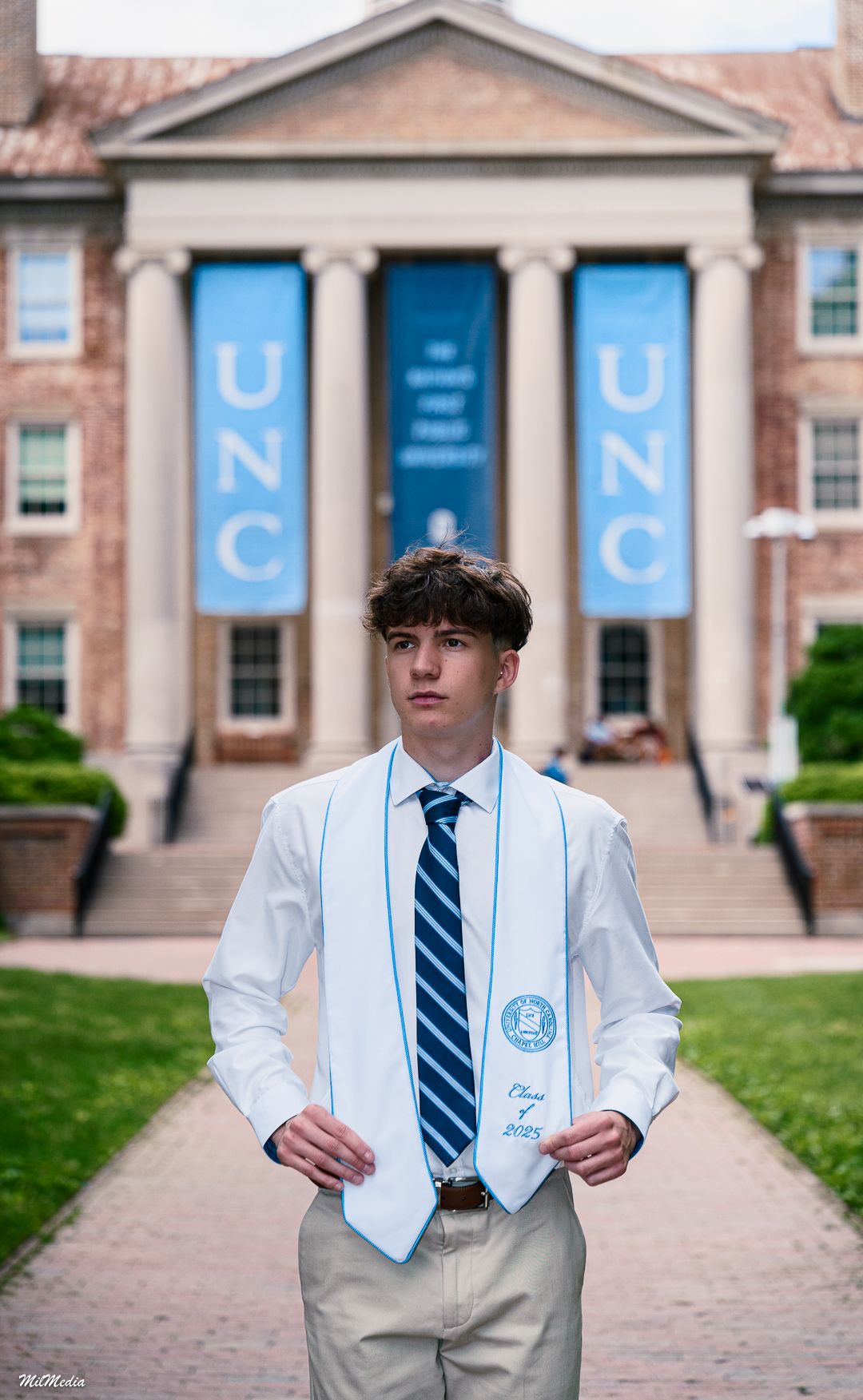
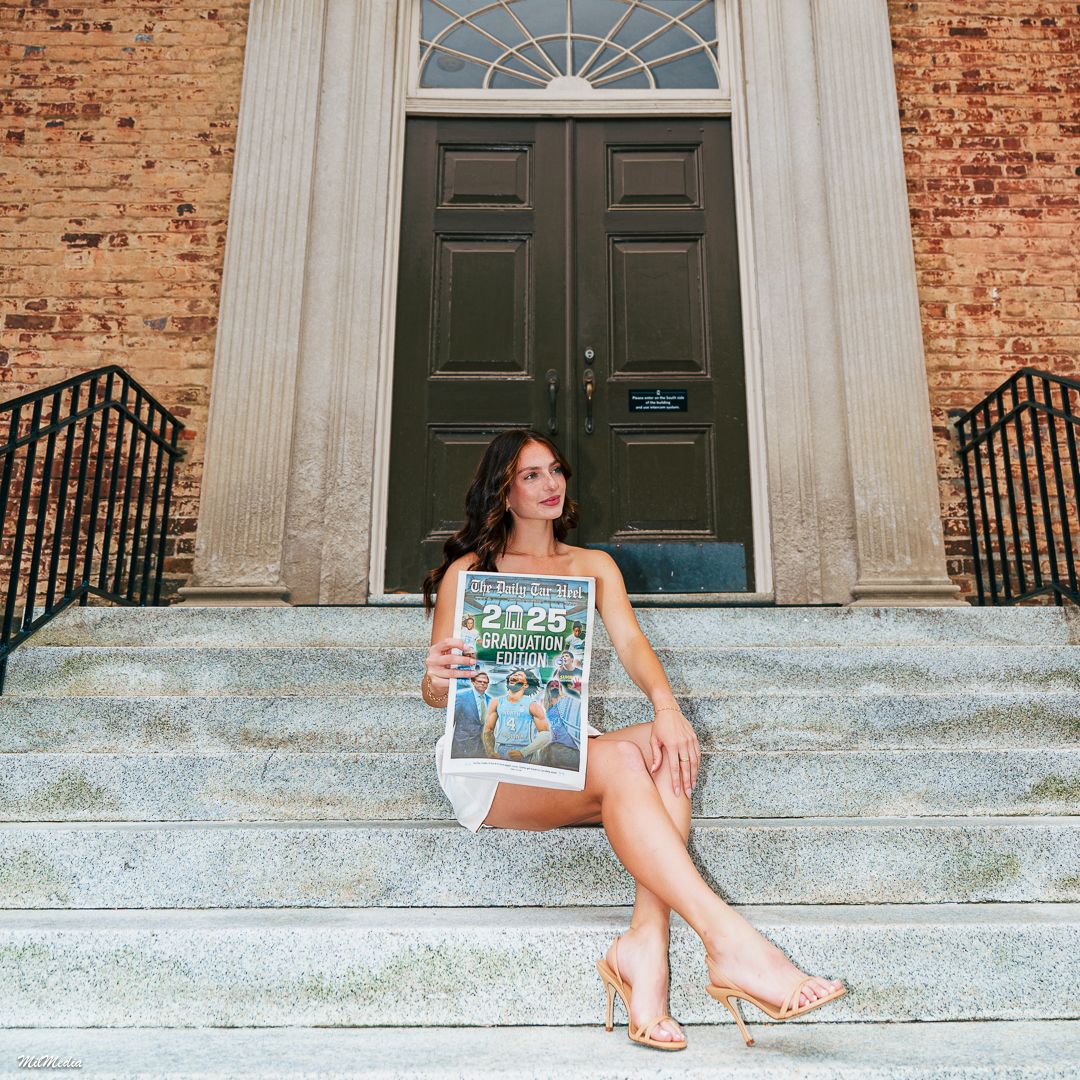
Your campus
A training facility or stadium
A downtown street you love
A creative studio
A spot tied to a memory
Location answers the question, “Where did this chapter happen?”
Searches like *senior portraits near me* or *college graduation photos* are really about finding someone who knows how to use place to tell story—not just provide a backdrop.
Your environment should feel like part of your identity.
3. Wear What Reflects Who You Are
Outfits are visual language.
Generic sessions play it safe:
One neutral look
No personality
No contrast
Personal sessions use wardrobe to express:
Confidence
Direction
Energy
Edge
Bring variety:
One polished, professional look
One expressive or casual look
One outfit tied to your passion (sport, art, culture, style)
You’re not dressing for trends.
You’re dressing for truth.
4. Let Movement Replace Posing
The fastest way to look generic is to freeze.
“Stand here.”
“Smile.”
“Hold still.”
Real life doesn’t look like that. Neither should your photos.
Personal senior portraits use movement:
Walking
Turning
Adjusting clothes
Looking away
Laughing
Movement creates authenticity. It breaks stiffness. It reveals personality.
You stop *posing*.
You start *existing*.
That’s where “you” shows up.
5. Find a Photographer Who Guides, Not Just Shoots
You don’t need to know how to pose.
You need someone who knows how to direct.
A good photographer:
Gives clear cues
Adjusts posture and angles
Creates comfort
Knows when to push and when to pause
Confidence isn’t something you bring—it’s something that’s built during the session.
When you feel supported, your guard drops.
When your guard drops, your real expression appears.
That’s what makes photos personal.
6. Editing Should Match Your Energy
Editing defines mood.
Generic editing aims for “normal.”
Personal editing creates atmosphere.
Your photos might feel:
Cinematic
Clean and modern
Bold and contrast-rich
Warm and nostalgic
What matters is consistency and intention.
When a gallery feels cohesive, your brain reads it as *identity*.
It becomes a story instead of a set of images.
7. Think Beyond “Now”
Your senior photos will live longer than this season.
They’ll be:
On LinkedIn
On grad announcements
On walls
In memories years from now
Ask yourself:
“How do I want to remember this version of me?”
Not just how you looked—but how you *felt*.
Personal photos preserve that.
The Shift
Generic senior photos document a moment.
Personal senior portraits *define* one.
They feel like:
A transition
A statement
A beginning
They don’t just say, “I graduated.”
They say,
“This is who I was when everything opened up.”
Frequently Asked Questions
What makes senior photos feel generic?
Lack of story, stiff posing, random locations, and one-size-fits-all styling. When everything is safe, nothing feels personal.
Do I need a theme?
Not a theme—just intention. Know what this season means to you and let that guide choices.
How many outfits should I bring?
Two to three is ideal: one polished, one expressive, one personal.
What if I’m awkward on camera?
You’re normal. A good photographer will guide movement and posture so you don’t have to “perform.”
Should I bring props?
Only if they matter—sports gear, books, instruments, or items tied to your identity. Props should support story, not distract.
How long should a session be?
45–90 minutes allows time to relax, move locations, and create variety without feeling rushed.
Can I mix classic and creative photos?
Yes. The best sessions balance timeless portraits with expressive images.
What should I look for in a photographer?
Consistency, storytelling, strong lighting, and photos that feel like moments—not poses.
How do I prepare mentally?
Remember: this isn’t about perfection. It’s about presence. Show up as yourself—that’s the point.
Will these photos still matter years from now?
Yes—if they reflect who you *were becoming*, not just what you wore.